ServicesPanel Cleaning
Solar Panel Cleaning in Addison
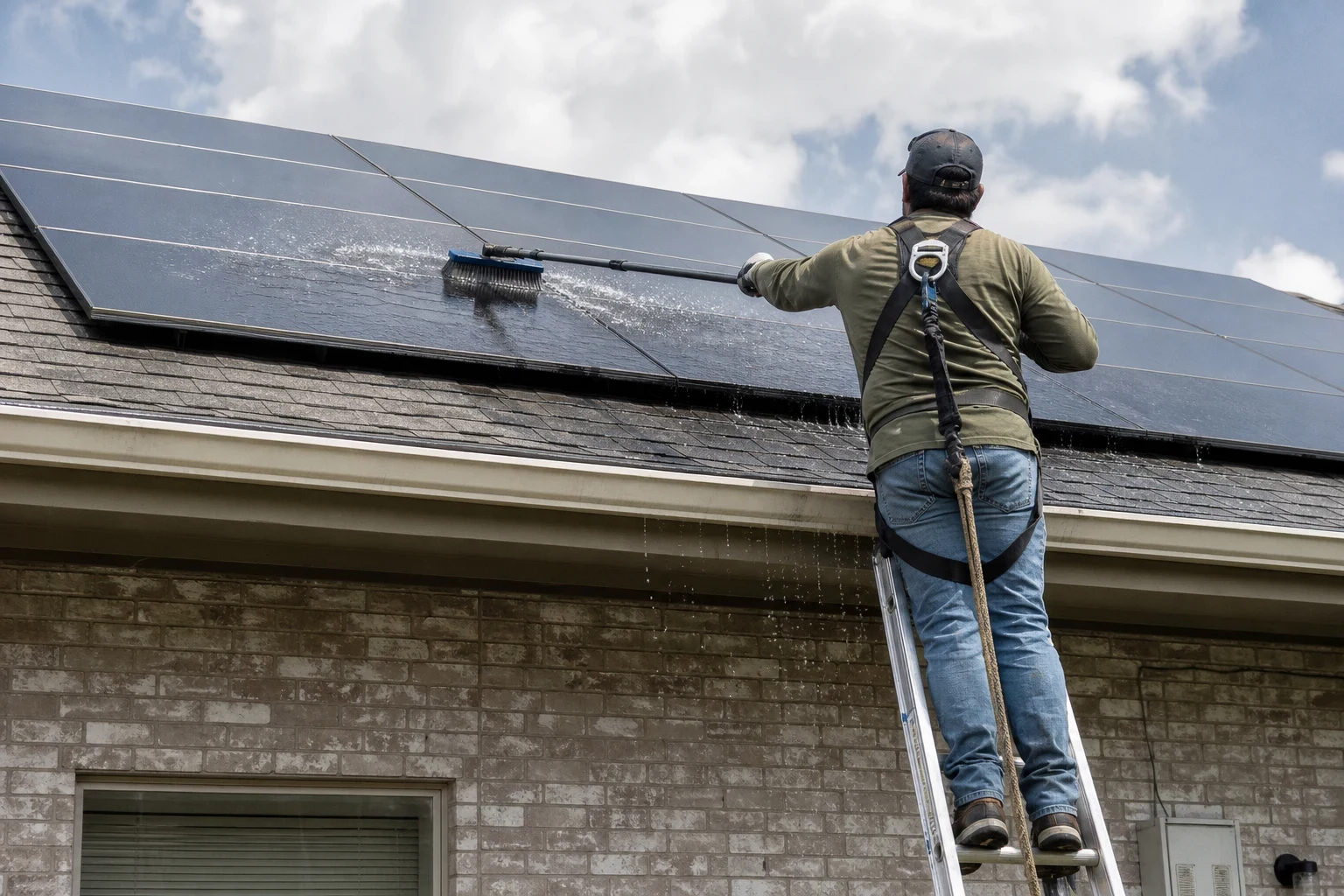
Dust, pollen and bird droppings form a film on panel glass that blocks light before it reaches the cells. We wash it off with purified water and soft brushes, then check the array so you know whether a drop in output was dirt or something that needs repair.
What Cleaning Fixes and What It Doesn't
A solar cell only produces what light reaches it. When grime builds up on the glass, especially along the bottom edge where rain pushes it and leaves it to dry, output drops across the whole panel. Because panels are wired in strings, one heavily shaded or soiled module can pull down the ones beside it.
Plenty of homeowners call us thinking a panel has failed when the real cause is a crusted layer of dust or a cluster of droppings. We clean first and compare the numbers afterward, because a wash costs far less than a replacement module. If output stays low on a clean array, we tell you plainly and point you to our solar repair service instead of guessing.
Spring pollen and summer dust storms in North Texas can leave a visible coat within weeks, so timing a cleaning after the heavy pollen season usually gets you the most out of it.
What Comes With Every Cleaning
- Rinse with purified water
- We clean with deionized water, stripped of dissolved minerals. Regular tap water leaves white calcium marks behind that shade the cells just like dirt.
- Gentle brush work
- Soft, water-fed brushes loosen grime without marring the glass's anti-reflective coating. We skip pressure washers, since they can drive water past frame seals and into junction boxes.
- Chemical-free cleaning
- Solvents and gritty cleaners can eat into coatings and wear down the rubber seals around each module. Tough droppings get extra soaking with pure water and steady effort instead of a scrub pad.
- A look over the array
- With the glass clear, we check for cracks, hot-spot discoloring, loose or rubbed wiring beneath the panels, and birds nesting under the array. Anything worth knowing about, we photograph for you.
- Output check before and after
- If your system has a monitoring app, we compare production before and after the wash, so you see a measured gain rather than just cleaner-looking glass from the driveway.
Signs Your Panels Are Due for Cleaning
Production slipping on clear days
Your monitoring shows lower output on sunny days than it did at the same time last year. Dirt is the first and cheapest thing to rule out.
A visible film or dirt line
You can see a hazy coat, or a band of grime along the lower frame where runoff collects and dries.
Bird droppings on the glass
Droppings are opaque and don't rinse off in a light rain. A single spot over one cell can trigger the bypass diode and cut that section's output.
Pollen or leaf buildup
Yellow pollen dust in spring or leaves caught against the frames from nearby trees both block light and hold moisture against the glass.
No cleaning in over a year
Rain alone rarely gets panels fully clean, especially on low-pitch roofs where water sheets slowly and leaves residue behind.
What Happens on Cleaning Day
- 1
Start with a phone call
Let us know your panel count, how tall the roof is and what your production numbers have been doing. We book a time, typically early in the morning while the glass is still cool.
- 2
Power down and rig for safety
We turn the system off using the inverter's shutdown steps and put fall protection in place before anyone gets near the panels. Starting on cool glass matters, since cold water hitting sun-baked glass can stress it.
- 3
Brush and rinse
We work row by row with purified water and a brush, then rinse so the glass dries without spots. Thick droppings or lichen get a longer soak, not harder scrubbing.
- 4
Check and walk you through it
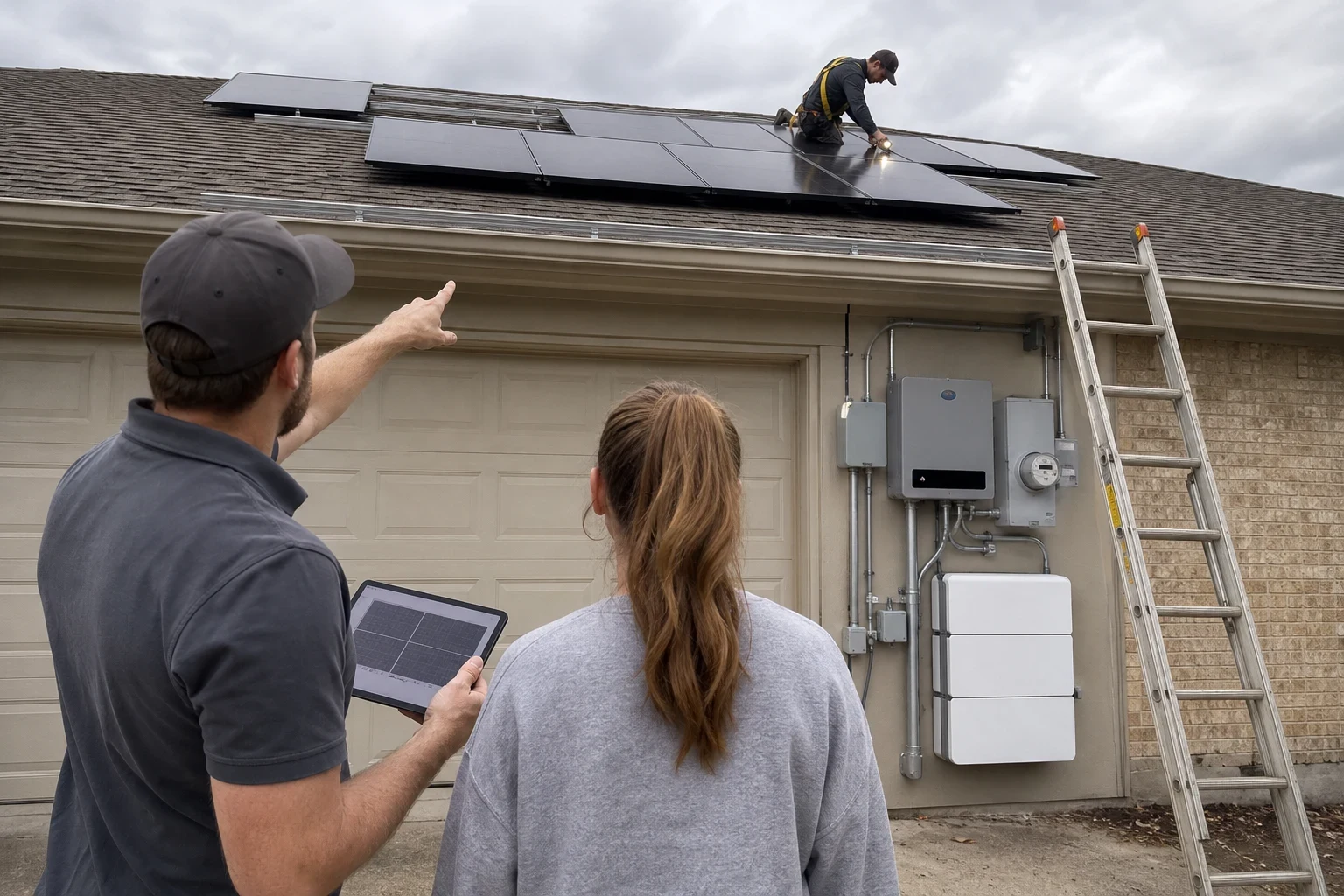
Once the glass is clean, we look over the modules, frames, racking and exposed wiring. Then we turn the system back on, make sure it's producing, and go over the photos and anything that deserves a second look.
What Sets the Price of a Cleaning
The price comes down mainly to how much glass needs washing and how safely we can get to it. Once we understand your setup, we quote by phone, and we let you know ahead of time if thick buildup will add time.
- Panel count
- Each extra module adds glass to clean and minutes on the roof.
- How high and steep the roof is
- Two-story or steep roofs take more safety rigging and slower footwork than a single-story roof with a gentle slope.
- Amount of grime
- Light dust comes off fast. Hardened droppings, lichen or a full year of pollen need longer soaking and more brushing.
- How the array is laid out
- Panels spread over several roof faces or squeezed beside vents and chimneys take more time to reach than a single unbroken row.
Common Cleaning Questions
Something not covered here? (972) 435-0476
How frequently do my panels need a cleaning?
Most Addison-area homes do fine with one or two cleanings a year. Houses close to trees, open land or construction sites may need more. Watch your monitoring: if output sags on clear days and bounces back after a rain, dirt is playing a part.
Can't I just spray them with a hose?
Hosing from the yard may knock off light dust, but tap water dries into mineral spots. Going up a ladder with a hose risks a fall, and walking on panels can crack cells in ways you won't see. The roof work is better left to us.
Does cleaning affect my panel warranty?
Not when it's done right. Many manufacturers caution against pressure washers, scouring pads and strong chemicals, so we stick to soft brushes and purified water. If your panel documents are on hand, we can go over the cleaning instructions together.
What if output stays low after a cleaning?
Then the problem is probably electrical: a failed bypass diode, a loose connector or an inverter fault. We show you what the inspection turned up and explain whether a repair is worth it. Tracking that down is the job of our solar repair service.
Does someone need to be home while you clean?
Not as long as we can get onto the roof and reach the inverter or disconnect. Plenty of homeowners like to be around at the finish to look through the photos with us.
Find Out if It's Dirt or Damage
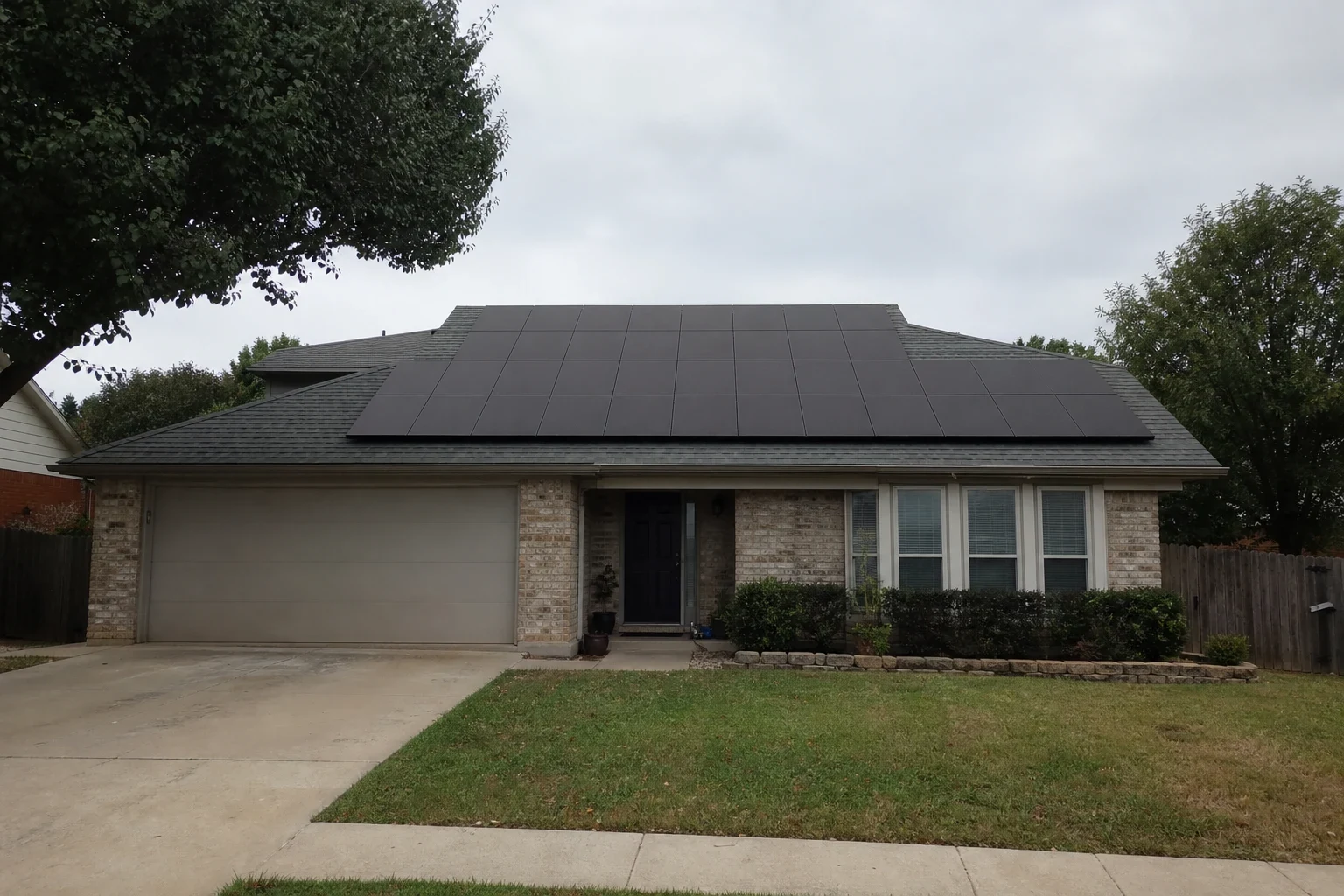
A clean array tells you what your system can really produce. Give us a ring, tell us about your panels, and we'll set up a cleaning and inspection that fits your roof.